

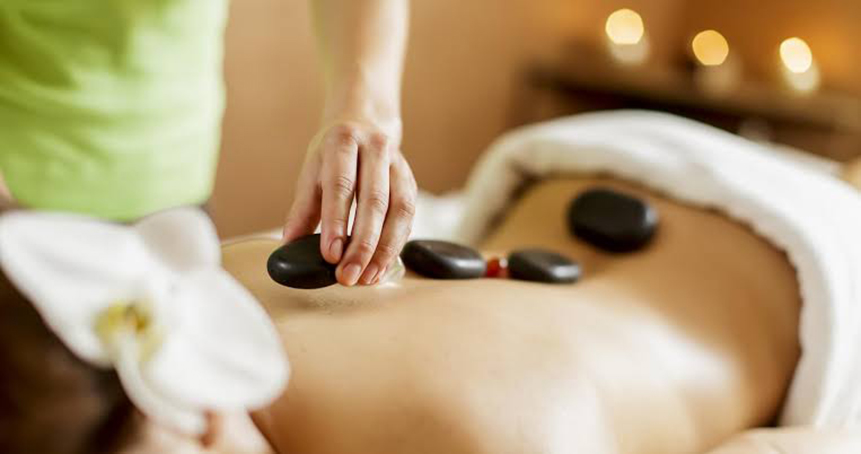
Massage therapy is the scientific manipulation of the soft tissues of the body, consisting primarily of manual (hands-on) techniques such as applying fixed or movable pressure, holding, and moving muscles and body tissues.
Generally, massage is delivered to improve the flow of blood and lymph (fluid in lymph glands, part of immune system), to reduce muscular tension or flaccidity, to affect the nervous system through stimulation or sedation, and to enhance tissue healing. Therapeutic massage may be recommended for children and adults to deliver benefits such as the following:
- reducing muscle tension and stiffness
- relieving muscle spasms
- increasing joint and limb flexibility and range of motion
- increasing ease and efficiency of movement
- relieving points of tension and overall stress; inducing relaxation
- promoting deeper and easier breathing
- improving blood circulation and movement of lymph
- relieving tension-related headaches and eyestrain
- promoting faster healing of soft tissue injuries, such as pulled muscles and sprained ligaments
- reducing pain and swelling related to injuries
- reducing the formation of scar tissue following soft tissue injuriesenhancing health and nourishment of skin
- improving posture by changing tension patterns that affect posture
- reducing emotional or physical stress and reducing anxiety
- promoting feelings of well-beingincreasing awareness of the mind-body connection and improving mental awareness and alertness generally
Massage therapy may also be recommended for its documented clinical benefits such as improving pulmonary function in young asthma patients, reducing psychoemotional distress in individuals who suffer from chronic inflammatory bowel disease, helping with weight gain, improving motor development in premature infants, and enhancing immune system functioning.
Touch is the fundamental medium of massage therapy. While massage can be described in terms of the type of techniques performed, touch is not used solely in a mechanistic way in massage therapy. Because massage usually involves applying touch with some degree of pressure and movement, the massage therapist must use touch with sensitivity in order to determine the optimal amount of pressure to use for each person. For example, using too much pressure may cause the body to tense up, while using too little may not have enough effect. Touch used with sensitivity also allows the massage therapist to receive useful information via his or her hands about the individual's body, such as locating areas of muscle tension and other soft tissue problems. Because touch is also a form of communication, sensitive touch can convey a sense of caring to the person receiving massage, enhancing the individual's sense of self and well being.